A Vet’s Top 5 Essentials for Every Pet Owner
Caring for a pet can sometimes feel overwhelming. From a veterinary perspective, however, there are five essential pillars of pet care that should never be skipped.
Getting these right lays the foundation for a lifetime of good health, comfort, and happiness for your pet.

Elise O Byrne-White, Veterinary Surgeon, Veterinary Director of the DSPCA/NSPCA
Elise O’Byrne White is a veterinary surgeon and the Veterinary Director of the DSPCA/NSPCA, with extensive experience in shelter medicine and animal welfare. She holds a BSc in Science from Trinity College Dublin and graduated with a degree in Veterinary Medicine from University College Dublin in 2019. She has worked with the DSPCA since 2019, specialising in shelter medicine and welfare-focused veterinary care. Alongside her professional career, Elise has represented Leinster and Ireland in rugby. She is passionate about improving animal welfare through evidence-based practice and public education and engagement.
1. Vaccinations: Protect Against Preventable Diseases
Vaccinations are one of the most important tools we have to keep pets safe.
What to do:
Ensure your pet receives all core vaccinations and boosters recommended by your veterinarian. Some vaccines are given annually, while others are required every three years.
Why it matters:
Vaccines protect against serious and potentially fatal diseases such as parvovirus, distemper, cat flu, and panleukopenia. Skipping vaccines doesn’t just put your own pet at risk, it also increases risk for other animals in the community.
Essential tip:
Young animals should always receive a minimum of two vaccinations. If your pet has only had one, they are not fully protected. Keep a written vaccination record and review it every year with your vet, as schedules can change with age and lifestyle.
What You Can Do Now:
Check your pet’s vaccination record today and book a vet appointment if boosters are due or missing.


2. Exercise & Enrichment: Daily Physical and Mental Activity
Exercise is not just about movement; it’s also about mental wellbeing.
What to do:
- Dogs: Most dogs need at least two 30-minute walks per day or equivalent physical activity. This should be adjusted based on breed, age, and health. In addition, provide enrichment such as toys, puzzle feeders, or games to keep their minds engaged outside of walk time.
- Cats: Offer daily interactive play sessions using toys, puzzles, or climbing structures to mimic hunting behaviours and encourage movement.
Why it matters:
Regular activity supports healthy weight, joints, heart health, and emotional wellbeing. Mental enrichment reduces boredom-related behaviours such as chewing, barking, scratching, or restlessness.
Essential tip:
Exercise doesn’t always mean covering distance. Sniffing, exploring new smells, and problem-solving can be just as enriching.
What You Can Do Now:
Schedule one short play or enrichment session today and build it into your pet’s daily routine. You can check out a range of toys and mentally stimulating games for both dogs and cats in-store or online at Petmania.
3. Parasite Control: Prevent Illness and Disease
Parasite prevention is far easier—and safer—than treatment.
What to do:
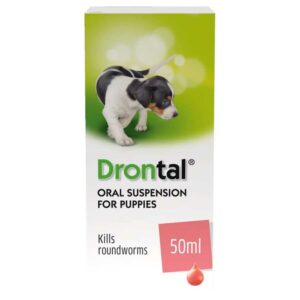
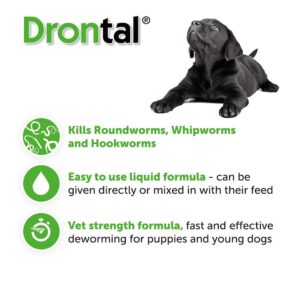
Maintain year-round protection against fleas, ticks, mites, and worms, tailored to your pet’s lifestyle and local risk factors.
Why it matters:
Parasites can cause skin disease, allergic reactions, internal illness, and discomfort. Some parasites can also be transmitted to humans. Preventative care protects both your pet and your household.
Essential tip:
There is a wide range of parasite control products available. Your local Petmania store stocks many preventative options for fleas, worms, and ticks. For specific concerns or complex cases, always consult your veterinarian.
What You Can Do Now:
Check when your pet last received parasite prevention and restock or update their protection if needed.


4. Nutrition & Body Condition: Feed for Health
What your pet eats, and how much, has a huge impact on long-term health.
What to do:
Feed a complete and balanced diet appropriate for your pet’s age, breed, weight, and activity level. Measure food accurately in grams and keep treats to no more than 10% of daily calories.
Why it matters:
Good nutrition supports energy levels, immune function, skin and coat health, and reduces the risk of obesity-related diseases such as diabetes and arthritis.
Essential tip:
Learn to body condition score your pet. You should be able to feel the ribs with light pressure and see a visible waist behind the ribcage. The ideal body condition score is 4–5 out of 9.
What You Can Do Now:
Assess your pet’s body condition today and adjust food portions if necessary.
5. Annual Veterinary Check-Ups: Early Detection Matters
Regular vet visits are about prevention; not just treatment.
What to do:
Book an annual veterinary check-up for your pet, including a dental examination. Pets need regular dental checks just like humans, as dental disease can cause severe chronic pain if left untreated.
Why it matters:
Routine check-ups allow vets to detect issues such as dental disease, arthritis, kidney problems, or liver disease early, when treatment is more effective and less invasive.
Essential tip:
Subtle changes matter. Changes in eating, drinking, toileting, or behaviour should always prompt a vet visit. Petmania stocks preventative dental care products such as toothpaste and dental chews for year-round support, but specific medical concerns should always be assessed by a vet.
What You Can Do Now:
If your pet hasn’t had a check-up in the last year, book an appointment today. You can also visit your local Petmania and speak to a member of our team about arranging a dental routine with your pet.

Shop Flea, Tick & Worming Protection
-
Dog, Healthcare, Parasite Control, Shop By Pet
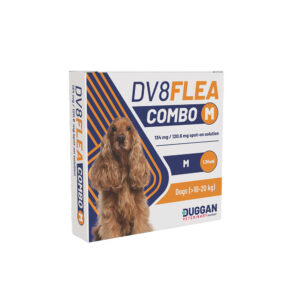
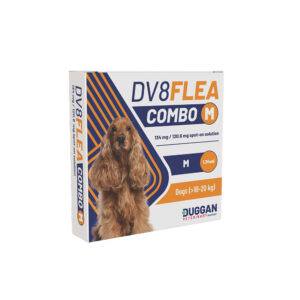
DV8 Flea Combo for Dogs
Price range: €7.99 through €12.99 -
Cat, Cat Offers, Healthcare, Healthcare, Parasite Control, Shop By Pet, Special Offers
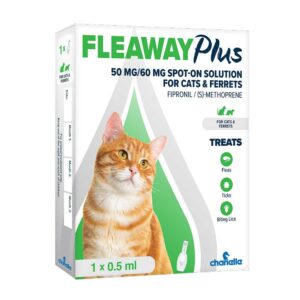
FLEAWAY PLUS Flea & Tick Treatment for Cats
Original price was: €6.49.€3.25Current price is: €3.25. -
Dog, Healthcare, Healthcare, Parasite Control, Shop By Pet
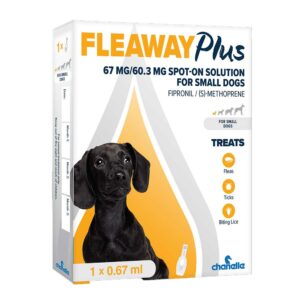
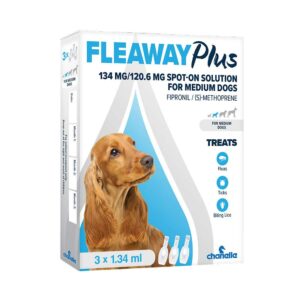
FLEAWAY Plus Flea & Tick Treatment for Dogs
Price range: €8.49 through €13.99 -
Dog, Healthcare, Healthcare, Parasite Control, Puppy Care, Puppy Healthcare, Shop By Pet
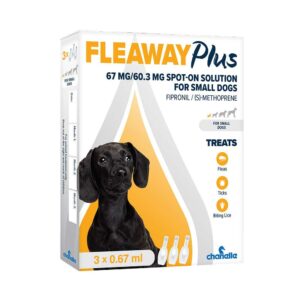
FLEAWAY Plus Flea & Tick Treatment for Dogs, 3 Pipette
Price range: €22.39 through €36.39