Interactive & Treat-Dispensing Toys for Canine Anxiety
With insights from Sarah Zimmer, Dog Behaviour Consultant & Trainer
Anxiety is one of the most common behavioural challenges seen in dogs today. While it can look different from dog to dog, untreated anxiety affects a dog’s ability to rest, learn, and feel safe in their environment. One powerful, and often underestimated tool in managing canine anxiety is appropriate enrichment, particularly interactive and treat-dispensing toys.
What Does Canine Anxiety Look Like?
Dogs experiencing anxiety may show subtle or obvious signs. Common indicators include:
-
Restlessness
-
Pacing
-
Panting
-
Difficulty settling or sleeping
On average, dogs sleep around 16 hours a day. When a dog struggles to rest or appears constantly “on edge,” anxiety may be playing a role.
Other Common Forms of Canine Anxiety
Anxiety doesn’t always look the same. It may also present as:
-
Excessive barking or whining
-
Fear of unfamiliar people
-
Reactivity toward other dogs
-
Sensitivity to environmental triggers such as noise, traffic, or new places
Understanding your dog’s specific triggers is the first step in supporting them effectively.

Why Timing Matters: Staying Under Threshold
One of the most important concepts in anxiety management is threshold.
A dog that is under threshold can still:
-
Respond to food or toys
-
Learn and engage
-
Process their environment
Once a dog goes over threshold, they are overwhelmed and no longer able to learn or cope.
Signs a Dog Is Over Threshold
-
Ignoring cues or commands
-
Heavy or rapid panting
-
Inability to settle
-
Circling or pulling on the lead
-
Barking, lunging, or snapping
The goal is always to keep your dog under threshold, and this is where enrichment toys can be incredibly effective.

Using Enrichment Toys to Prevent Anxiety
Interactive and treat-dispensing toys work best when used before anxiety escalates.
For example:
-
Offer an enrichment toy before a thunderstorm starts
-
Use it ahead of known triggers, such as visitors arriving
-
Keep your dog engaged for the duration of the stressful event
These toys help redirect your dog’s focus and provide a calming outlet during exposure to triggers.
Why Licking, Chewing & Sniffing Are So Powerful
Treat-dispensing toys encourage natural calming behaviours such as:
-
Licking
-
Chewing
-
Sniffing
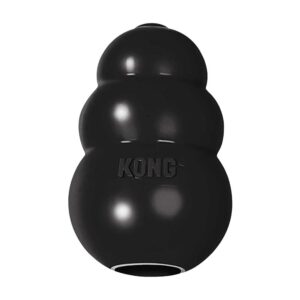
These actions activate the parasympathetic nervous system, helping to lower heart rate and reduce overall stress. Stuffed enrichment toys (such as a filled KONG) are particularly effective for this reason.
Overcoming Anxiety: The Three S’s
Sarah Zimmer recommends focusing on The Three S’s to support anxious dogs:
Safe Space
Create a quiet, comfortable area away from triggers where your dog can retreat and relax.
Soothing Sounds
Background noise can help mask stress-inducing sounds:
-
Classical or reggae music
-
White noise machines
-
Nature or ambient sounds
Stimulating Snacks
Use enrichment toys filled with safe, tasty foods to keep your dog mentally engaged and emotionally regulated.

Enrichment Is Support, Not a Cure
It’s important to understand that enrichment toys are not a quick fix or a standalone solution for anxiety. However, they are a powerful part of a broader management plan that may include:
-
Training
-
Environmental management
-
Behaviour modification
-
Veterinary or behavioural support
Used correctly, enrichment lowers overall stress levels and helps dogs cope more effectively with their world.
Final Takeaway
Canine anxiety is common, but it is manageable. Interactive and treat-dispensing toys provide dogs with an outlet for natural behaviours while helping them stay calm, focused, and under threshold during stressful moments.
With the right timing, environment, and support, enrichment can make a meaningful difference to your dog’s emotional wellbeing — helping them feel safer, more settled, and better able to cope with everyday life.
If your dog’s anxiety feels overwhelming or persistent, working with a qualified trainer or behaviour consultant is always recommended. 🐾
Shop KONG
-
Chew Toys, Dog, Dog Toys, Puzzle & Treat Dispenser Toys, Shop By Pet
KONG Extreme
Price range: €9.99 through €30.99 -
Chew Toys, Dog, Dog Toys, Puzzle & Treat Dispenser Toys, Shop By Pet
KONG Classic
Price range: €8.49 through €29.79 -
Comfort Toys for Dogs, Dog, Dog Toys, Shop By Pet
KONG Wild Knots Bear
Price range: €10.99 through €17.99