Kindness in the Bowl – How Feeding Choices Affect Your Pet’s Health
What you put in your pet’s bowl every day has a powerful impact on their health, happiness, and longevity. Nutrition doesn’t just influence energy levels; it affects joint health, immune function, disease risk, and overall quality of life.
Recent research shows that around 65% of dogs and 39% of cats are overweight or obese, making nutrition one of the most important areas where owners can make a positive difference. Understanding portion sizes, body condition, and food quality allows you to support your pet’s wellbeing in a meaningful, long-term way.

Elise O Byrne-White, Veterinary Surgeon, Veterinary Director of the DSPCA/NSPCA
Elise O’Byrne White is a veterinary surgeon and the Veterinary Director of the DSPCA/NSPCA, with extensive experience in shelter medicine and animal welfare. She holds a BSc in Science from Trinity College Dublin and graduated with a degree in Veterinary Medicine from University College Dublin in 2019. She has worked with the DSPCA since 2019, specialising in shelter medicine and welfare-focused veterinary care. Alongside her professional career, Elise has represented Leinster and Ireland in rugby. She is passionate about improving animal welfare through evidence-based practice and public education and engagement.
Why Body Condition Matters More Than the Number on the Scales
In veterinary practice, weight alone doesn’t tell the full story. One of the most valuable tools we use is Body Condition Scoring (BCS), which looks at how much body fat a pet is carrying rather than just how much they weigh.
The WSAVA Global Nutrition Guidelines use a 9-point BCS system, with 4–5 out of 9 considered ideal. Research shows that overweight pets can live up to 2–2.5 years less than pets maintained at a healthy weight. Obesity is also strongly linked to arthritis, diabetes, urinary disease, skin problems, and reduced mobility.
How to Check Your Pet’s Body Condition at Home
A healthy-weight pet should feel lean, but not thin.
- You should be able to feel the ribs easily with light pressure, similar to running your fingers over the back of your hand.
- If you have to press firmly to feel the ribs, your pet is likely overweight.
- If ribs are very visible or feel sharp with little padding, your pet may be underweight.
From above, there should be a visible waist behind the ribcage, and from the side, a gentle abdominal tuck where the belly rises slightly towards the hind legs. Straight-sided, rounded, or sagging bodies often indicate excess weight.
Regularly checking your pet’s body condition at home is one of the most effective ways to catch weight changes early.


Portion Size: Small Excesses Add Up Over Time
Weight gain usually isn’t caused by dramatic overfeeding. In most cases, pets gain weight because they receive just a little more energy than they need each day.
Feeding guidelines on packaging are a helpful starting point, but they don’t account for individual differences such as age, neuter status, metabolism, or activity level. Portions should always be adjusted based on body condition, not habit.
This is why measuring food accurately in grams, rather than using cups or guessing, is so important. Scoops and cups vary widely and can easily result in overfeeding. Kitchen scales provide consistency and make it much easier to adjust portions safely and effectively.
Treats: Small Snacks, Big Impact
Treats are one of the biggest hidden contributors to pet obesity. While they play an important role in training and bonding, treats should make up no more than 10% of a pet’s daily calorie intake.
For example, a single small biscuit for a dog can be the equivalent of a human eating a doughnut or chocolate bar. What feels minor to us can represent a significant proportion of a pet’s daily energy needs — especially in smaller dogs and cats.

Complete vs Complementary Foods: What’s the Difference?
This is one of the most misunderstood areas of pet nutrition.
Complete Foods
A complete and balanced pet food contains all essential nutrients in the correct proportions for your pet’s species and life stage. These diets are formulated to meet nutritional standards and can safely be fed as the sole diet long term.
Complementary Foods
Complementary foods, including some fresh products, toppers, and treats, are not nutritionally complete. They are designed to be fed alongside a complete diet; not on their own.
Always check packaging for a clear statement that the food is complete or complementary.
Can Fresh Food Be Part of a Healthy Diet?
Yes; when used correctly.
Adding small amounts of carefully chosen fresh foods can:
- Improve palatability
- Add variety
- Provide fibre and additional nutrients
Safe options may include vegetables (such as carrots or sweet potatoes), fruits (like blueberries or strawberries), or lean proteins (chicken, turkey, eggs). These additions should enhance a complete base diet, not replace it.
A Note on Home-Cooked and Raw Diets
This is very different from feeding a fully home-cooked or raw diet. While the idea can be appealing, studies consistently show that over 95% of home-prepared pet diets are nutritionally deficient when formulated without professional input.
For this reason, fully home-cooked or raw diets should only be fed under the guidance of a qualified veterinary nutritionist, who can ensure all nutritional needs are met safely.

The Takeaway: Small Choices, Big Health Benefits
Kindness in the bowl is about making informed, evidence-based decisions every day. By:
- Monitoring body condition
- Measuring food accurately in grams
- Limiting treats
- Choosing truly complete diets
- Using fresh foods appropriately
you can actively support your pet’s health, comfort, and longevity at every stage of life.
When it comes to nutrition, small changes made consistently can lead to profoundly better outcomes, and a happier, healthier pet.
Shop Dog Food
-
Adult Dog Food, Breed Specific Diet, Dog, Dog Food, Dry Dog Food, Grain Free Dog Food, Shop By Pet
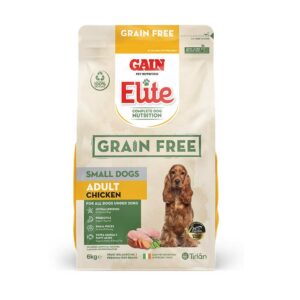
GAIN ELITE Grain Free Small Dogs Adult, Chicken
Price range: €14.99 through €59.99 -
Adult Dog Food, Breed Specific Diet, Dog, Dog Food, Dry Dog Food, Grain Free Dog Food, Shop By Pet
GAIN ELITE Grain Free Small Dogs Adult, Salmon
Price range: €16.99 through €67.99 -
Adult Dog Food, Breed Specific Diet, Dog, Dog Food, Dry Dog Food, Grain Free Dog Food, Shop By Pet
GAIN ELITE Grain Free Big Dogs Adult, Salmon
Price range: €16.99 through €67.99 -
Adult Dog Food, Breed Specific Diet, Dog, Dog Food, Dry Dog Food, Grain Free Dog Food, Shop By Pet
GAIN ELITE Grain Free Big Dogs Adult, Chicken
Price range: €14.99 through €59.99