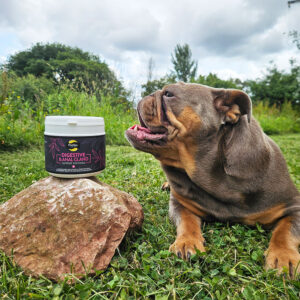
Reducing Effects Of Stress On Your Dog
Research shows that change of any kind, such as disruptions to their routine, can cause your dog to become stressed and over anxious. Dogs become accustomed to a routine and changes can increase stress levels, even if the change is considered for the better.
How Stress Affects the Immune System
The most worrying aspect of stress is the effect that cortisol has on our bodies, whether two or four legged. Cortisol is a hormone that is released from the adrenal gland when the body is in ‘fight or flight’ mode. Extensive periods of stress can weaken your dog’s immune system and a weakened immune system can affect the body’s ability to fight off infections or disease. When the immune system isn’t functioning at its optimum you may see an increased level of sensitivities or allergies too.
Symptoms of Stress
Loss of appetite and digestive disorders are two common symptoms of stress. Those feelings of queasiness and worry hit our very centre – our gut – which becomes ‘out of sorts’. This is no different for our dogs. We may see changes in our dogs behaviour. Our once calm and obedient tail waggers may start to be destructive in the home, lack focus or be very grouchy with other dogs or people. Their recall may be affected which is a classic ‘fight or flight’ response. Panting, repetitive licking and scratching are also common signs. Some paw parents note that their dog starts to urinate in the house! Sometimes dogs can become quiet and withdrawn.

Holistic Approaches to Keeping Your Dog Calm
- Physical Exercise– Regular exercise is one of the most effective ways to help your dog release pent-up energy and stress. Activities like walking, playing fetch, or engaging in agility training can significantly reduce anxiety levels.
- Mental Stimulation– Keeping your dog’s mind engaged is just as important as physical exercise. Puzzle toys, training sessions, and interactive games can help alleviate boredom and prevent anxiety.
- Calming Techniques– Techniques such as massage and gentle stretching can relax your dog’s muscles and calm their nerves. Consider taking a doggy yoga class or learning how to perform basic dog massage at home.
- Safe Spaces- Creating a designated quiet space where your dog can retreat when they feel overwhelmed can be very beneficial. This could be a comfy bed in a quiet room, where they can feel safe and secure.
- Aromatherapy- Certain essential oils, such as lavender and chamomile, can have calming effects on dogs. However, it’s crucial to use them safely and consult with your vet beforehand, as some oils can be harmful to pets.
- Natural Supplements– Incorporating natural supplements can provide additional support for your dog’s emotional health.

Creating a Calm Environment for Your Dog
Managing your dog’s stress levels involves a mix of good nutrition, regular exercise, consistent training, and the right supplements. Proflax’s range of calming products provides various options to help maintain your dog’s calm demeanour, supporting their overall health naturally and holistically.
For dog owners wanting to create a serene environment for their pets, incorporating these strategies and supplements can be a proactive step toward achieving peace and tranquillity. Explore Proflax’s calming solutions today and help your canine companion live a happier, more relaxed life!