Understanding Your Dog’s Body Language: Learning to “Speak Dog”
With insights from Brian Bergford, Dog Trainer
Dogs are constantly communicating with us – not through words, but through body language. Every tail wag, ear movement, posture change, and shift in weight is part of how your dog expresses comfort, stress, curiosity, or concern.
Learning to understand your dog’s body language is one of the most valuable skills you can develop as an owner. It improves your bond, helps prevent behaviour issues, and allows you to spot problems early — before they escalate.
Why Understanding Your Dog’s Baseline Matters
Just like people, every dog is an individual. Some dogs are naturally bouncy and expressive, while others are calm and reserved. That’s why it’s so important to understand your dog’s baseline behaviour — what is normal for them.
A baseline includes how your dog typically:
-
Moves and stands
-
Holds their tail and ears
-
Interacts with people and other dogs
-
Responds to new environments
-
Reacts when relaxed, excited, or tired
Once you know what’s normal for your dog, you’ll be much quicker to notice when something changes.
Why deviations matter
When a dog’s body language shifts away from their normal baseline, it’s often a sign that something isn’t right. This could be stress, pain, fear, illness, or emotional discomfort. Subtle changes are often the first clue.


Start Observing: Your Dog Is Always Talking
One of the best things you can do is simply observe.
Try:
-
Watching your dog during calm moments at home
-
Noticing how they move on walks
-
Observing how they interact with familiar people versus strangers
Some owners find it helpful to:
-
Take short videos of their dog behaving normally
-
Make notes about posture, movement, and reactions
-
Keep a mental or written record for future reference
This gives you a powerful comparison point if behaviour ever changes.
How to “Speak Dog”: Understanding Human Body Language
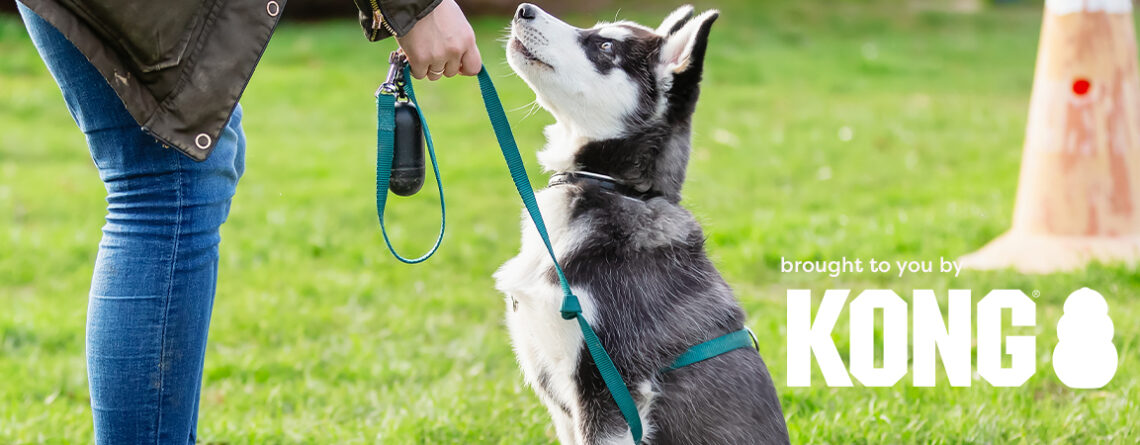
Dogs are incredibly skilled at reading our body language — often better than we realise. Small movements from us can send very clear messages to a dog.
Here are some key examples:
Moving towards a dog
To a dog, this often means:
-
“Go”
-
“Move away”
-
Pressure or space-invading behaviour
This is why some dogs back away or become uncomfortable when people walk directly towards them.
Holding your ground
Standing still and holding your position can signal:
-
Respect for space
-
Calm confidence
-
“Remain where you are”
This is often less threatening and can help dogs feel safer.
Moving away from a dog
Stepping back or turning slightly away is often read as:
-
An invitation to approach
-
A friendly, non-threatening signal
-
Permission to come closer
This is why many shy dogs will approach once pressure is removed.

Why This Matters for Behaviour and Welfare
Many misunderstandings between dogs and humans happen because we unintentionally use body language that makes sense to us — but not to dogs.
When dogs feel misunderstood or pressured, they may respond with:
-
Avoidance or withdrawal
-
Barking or growling
-
Freezing or snapping
-
Increased anxiety
By learning to communicate in a way dogs naturally understand, we reduce stress and help them feel safer in our presence.
Key Takeaways: Better Communication Starts With Listening
-
Great communication begins with listening, not talking
-
Every dog has their own normal baseline
-
Small changes in body language can signal stress, pain, or discomfort
-
Dogs read our movement and posture constantly
-
Speaking a “dog-friendly” language builds trust and confidence
When we slow down, observe, and respond thoughtfully, we meet dogs where they are — and that’s where real understanding begins.
Shop KONG
-
Chew Toys, Dog, Dog Toys, Puzzle & Treat Dispenser Toys, Shop By Pet
KONG Extreme
Price range: €9.99 through €30.99 -
Chew Toys, Dog, Dog Toys, Puzzle & Treat Dispenser Toys, Shop By Pet
KONG Classic
Price range: €8.49 through €29.79 -
Dog, Dog Toys, Dog Treats, Puppy Care, Puppy Toys, Puzzle & Treat Dispenser Toys, Shop By Pet
KONG Easy Treat Puppy
Original price was: €11.49.€9.76Current price is: €9.76.